|
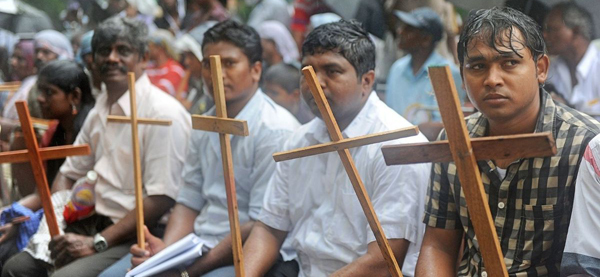
Jesus Embraces the Untouchable by Rolaant McKenzie |
|
|
Hinduism is the third largest religion in the world, comprising about 15% of the world's population, or about 1.17 billion adherents, with 94% residing in India. Arising more than 3,000 years ago, it calls on its adherents to engage in prescribed religious practices to overcome the Law of Karma, which causes death and rebirth, or reincarnation, and reach Moksha, which brings freedom from this cycle, unity with supreme reality, and eternal peace. Over the centuries, Hindu temple rites increased in importance, and the priests became more preeminent in society. As a result of their belief in karma and reincarnation, they helped to develop a caste system to delegate the tasks needed to maintain and protect society. Initially, each caste was considered equally important, and a person was assigned to one based on their skills and talents. But eventually the castes became ranked from the highest and most pure down to the lowest and least pure, and being a member of a caste became something assigned at birth based on the caste of one's family, which brought hindrances to upward mobility. There are four main castes: Brahmin, Kshatriya, Vaisya, and Shudra. The Brahmin, the most highly esteemed caste, includes priests, teachers, and scholars. The next one, Kshatriya, includes warriors, kings, and rulers. The third one, Vaisya, includes merchants, craftsmen, landowners, farmers, traders, and skilled workers. The last one, Shudra, includes manual laborers and servants. But there is another class of people that fall outside this caste system. Called Dalits, or Untouchables, they are considered so impure and repugnant by those in the castes that they are discriminated against in Indian society. They are outcasts relegated to doing the most menial jobs, such as cleaning animal and human waste and clearing away animal carcasses. Even though laws have existed in India since 1950 affirming equal rights and opportunities for Dalits and prohibitions against discrimination, the vast majority of them who live in rural areas face barriers to basic services and lack of educational opportunities. Prohibited from worshiping in Hindu temples and condemned to abject poverty, they are devalued, degraded, abused, and ostracized. They are truly deemed as unclean and untouchable. For more than a century, Christian missionaries and organizations have proclaimed the gospel message to the Untouchables, showing them that there is one God who loves and cares for them and has provided not only freedom from the enslavement of the caste system but also salvation from their own sins through the perfect life, bloody death on the cross, and resurrection of Jesus Christ. Working in conjunction with Indian pastors under the threat of death from radical Hindu groups, they show the love of Jesus through all kinds of humanitarian aid, discipleship, and training. As a result of this, among the approximately 25 million Christians in India, more than 70% come from among the Dalits. Through faith in Jesus, they were transferred from the domain of darkness into His kingdom (Colossians 1:13-14). In the love of Christ, they were made pure, loved, included, and touchable. During the time of Jesus, another group of untouchables existed. They were those afflicted with leprosy, an incurable wasting disease. Due in part to the teaching of the third-century BC Rabbi Ammi ben Nathan (Rabbammi), many believed such a terrible disease was inflicted by God on people for their sins. Considered contagious, it was understood that even touching a leper could contaminate a man and make him unclean. Lepers faced utter ostracism from society because they were separated from family, friends, and their community (Numbers 5:2). They were not allowed to be near any other human beings but had to cry out, "Unclean! Unclean!" whenever someone else was near (Leviticus 13:45-46). They could not go to the synagogue or worship at the temple in Jerusalem but had to live isolated with other lepers as long as they had the disease. Hearing of Jesus' ability to heal all kinds of sicknesses and diseases, a man afflicted with leprosy sought for Him and found Him:
The man believed that Jesus could heal him if He willed it, and his faith moved Jesus to not just speak the word to heal him but, to those witnessing this scene, to do the unthinkable. He reached out and touched him. Jesus could not be defiled by touching the leper. Instead, His touch removed the leper's defilement and brought healing, moving him from being untouchable to being touchable and bringing restoration to family and friends and being a part of the community again. Leprosy in the Bible was a graphic illustration of the corrupting influence of sin in a person's life. Because of Adam's sin that affects all humanity, we are all like "lepers," defiled, untouchable, and separated from a pure and holy God. This kind of "leprosy" cannot be cured by being a "good person" or doing charitable deeds. As the leper came in his defilement and humbled himself before the Lord Jesus and received His cleansing touch, anyone who humbles himself before Him, confessing his sins, will receive from Him His loving and compassionate touch. Only through His shed blood on the cross can cleansing from the leprosy of sin come, bringing forgiveness, wholeness, and reconciliation with God (Ephesians 1:3-8). Jesus will not turn anyone away who comes to Him (John 6:37; Hebrews 4:14-16). As the leprous man and the Dalits of India joyfully discovered, Jesus Christ embraces the outcast, the untouchable. He will embrace you. Anyone who receives the redeeming love of Jesus will be made pure in God's sight, no longer separated, and touchable.
|
|
 |
|
| What Is the Gospel? | What Must I Do to Be Saved? | Home | Contact Us | Return | |